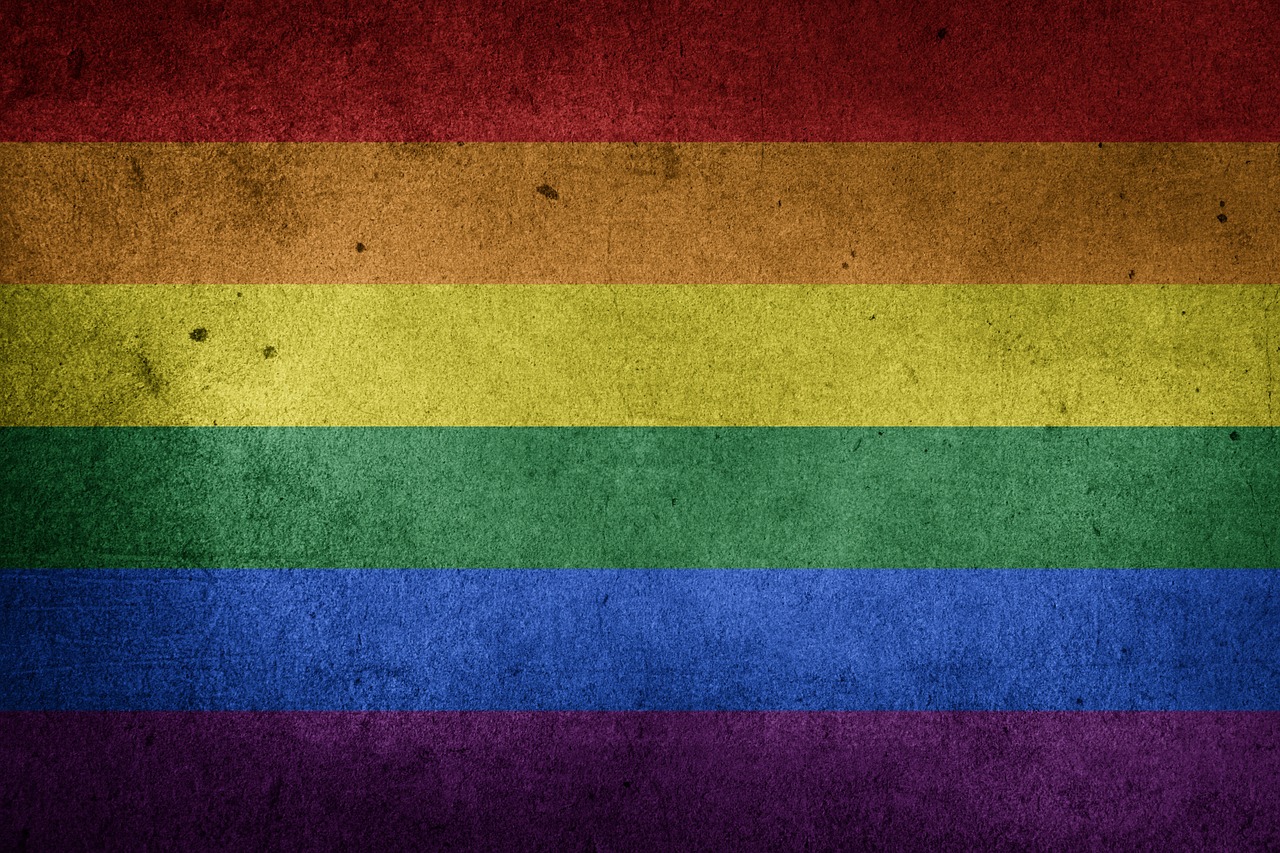
On 3 August 2017, the Human Rights Committee (HRC) of the United Nations handed down a landmark ruling that Australia had breached its international human rights obligations because it did not allow same-sex couples in Australia to divorce, when they had legally married overseas. This decision comes at a time when the political temperature on the same-sex marriage debate in Australia is heating up.
While it is clear from the HRC decision that same-sex couples in Australia have a right to divorce, it is less clear whether they have a right to marriage and whether Australia will recognise it. Under the Marriage Act 1961 (Cth), marriage is currently defined as “the union of a man and a woman”. This definition was introduced in 2004 under then-Prime Minister John Howard. Before then, same-sex couples could allegedly marry.
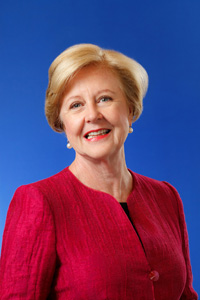 For our fourth profile of Women in International Law Month, Editor-in-Chief Jennifer Tridgell sat down with the President of the Australian Human Rights Commission (AHRC), Professor Gillian Triggs. She is a highly accomplished international lawyer and academic, with experience on matters from commercial law to Indigenous rights.